Timo Parvela
Huśtawka / Swing
przekład / translation Iwona Kiuru
Teatr Maska w Rzeszowie
adaptacja, reżyseria / adaptation, direction Karolina Maciejaszek
scenografia / scenography Marta Śniosek-Masacz
muzyka / music Mateusz Czarnowski
reżyseria światła / light design Monika Sidor
projekcje wideo / video projections Anna Kamycka, Klaudia Cisek
obsada / cast
Anna Kukułowicz, Ewa Mrówczyńska, Kamil Dobrowolski, Tomasz Kuliberda, Kacper Lorens, Maciej Owczarek
wiek / age 5+
czas trwania / duration 55’
Po drugiej stronie nikogo nie ma. Na dole siedzi niedźwiadek Pi i czeka na kogoś, z kim mógłby się pohuśtać. Na próżno. Pi zapisuje w swoim notesiku: Z huśtania nic nie wychodzi, jeśli po drugiej stronie nikogo nie ma. Gdy o huśtawkę uderza wielki świerk, niedźwiadek Pi wylatuje w kosmos. Łapie za rożek księżyc, który zdradza mu, że zawsze huśta się ze słońcem. Podczas swej przygody Pi spotyka najróżniejsze stworzenia i dostrzega, że także w życiu wszystko się kołysze to w górę, to w dół.
W każdym dziecku mieszka samotny niedźwiedź, dlatego tak łatwo mu się utożsamić z opowieścią o Pi. Autor, obdarzony głęboką wrażliwością, umiejętnie prowadzi małego odbiorcę na spotkanie z wieloma znajomymi uczuciami.
There’s no one on the other side. Pi the bear sits at the bottom, waiting for someone to swing with. In vain. Pi writes in his notebook: „Swinging is impossible if there’s no one on the other side.” When a large spruce tree hits the swing, Pi the bear flies into space. He grabs the moon by the horn, which reveals to him that it always swings with the sun. During his adventure, Pi meets all sorts of creatures and notices that even in life everything swings up and down.
There is a lonely bear inside every child, which is why it is so easy for them to identify with the story of Pi. The author, gifted with deep sensitivity, skillfully leads the young reader to an encounter with many familiar feelings.
Dofinansowano ze środków Ministra Kultury i Dziedzictwa Narodowego pochodzących z Funduszu Promocji Kultury. / Co-financed by the Minister of Culture and National Heritage from the Cultural Promotion Fund.



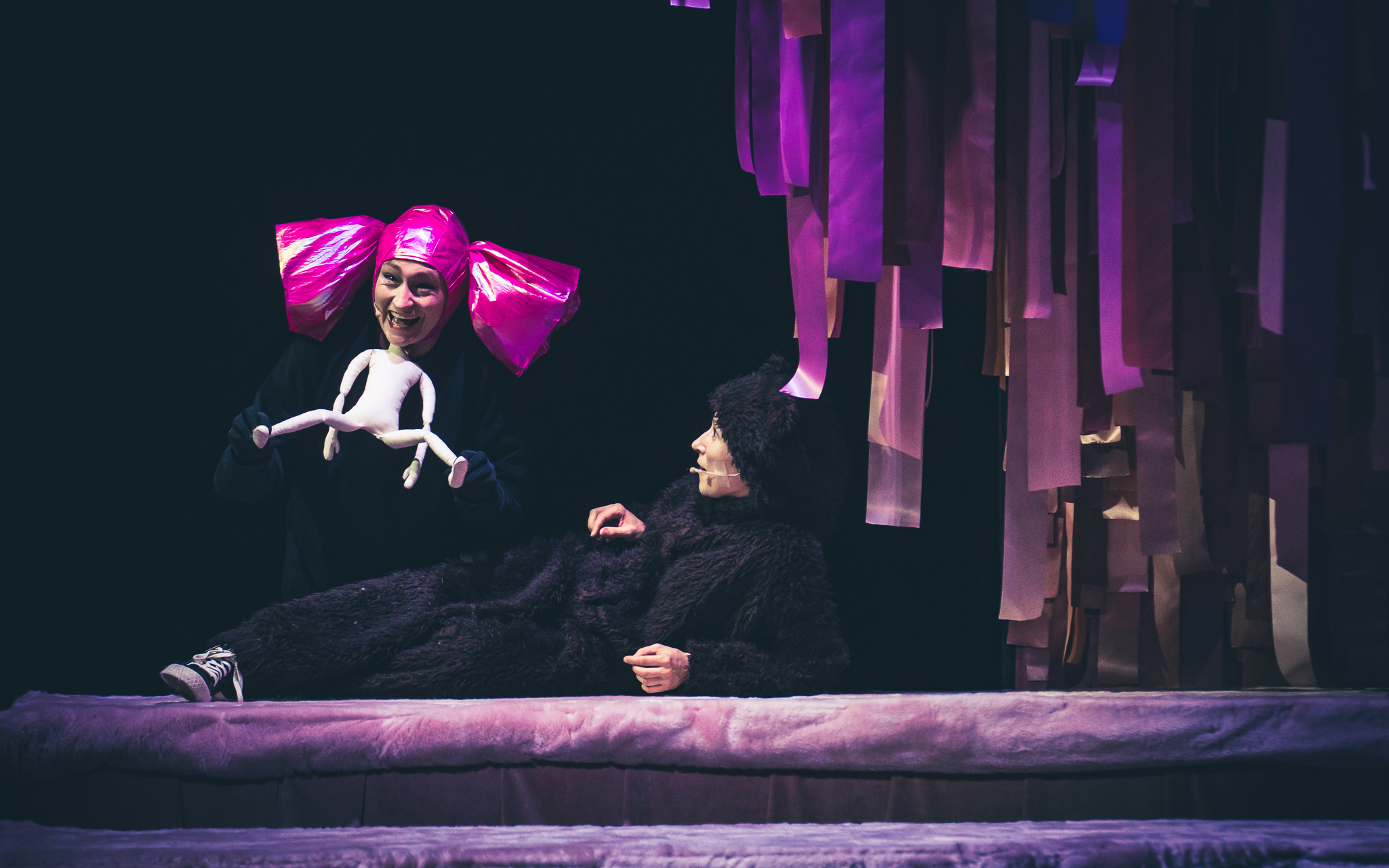
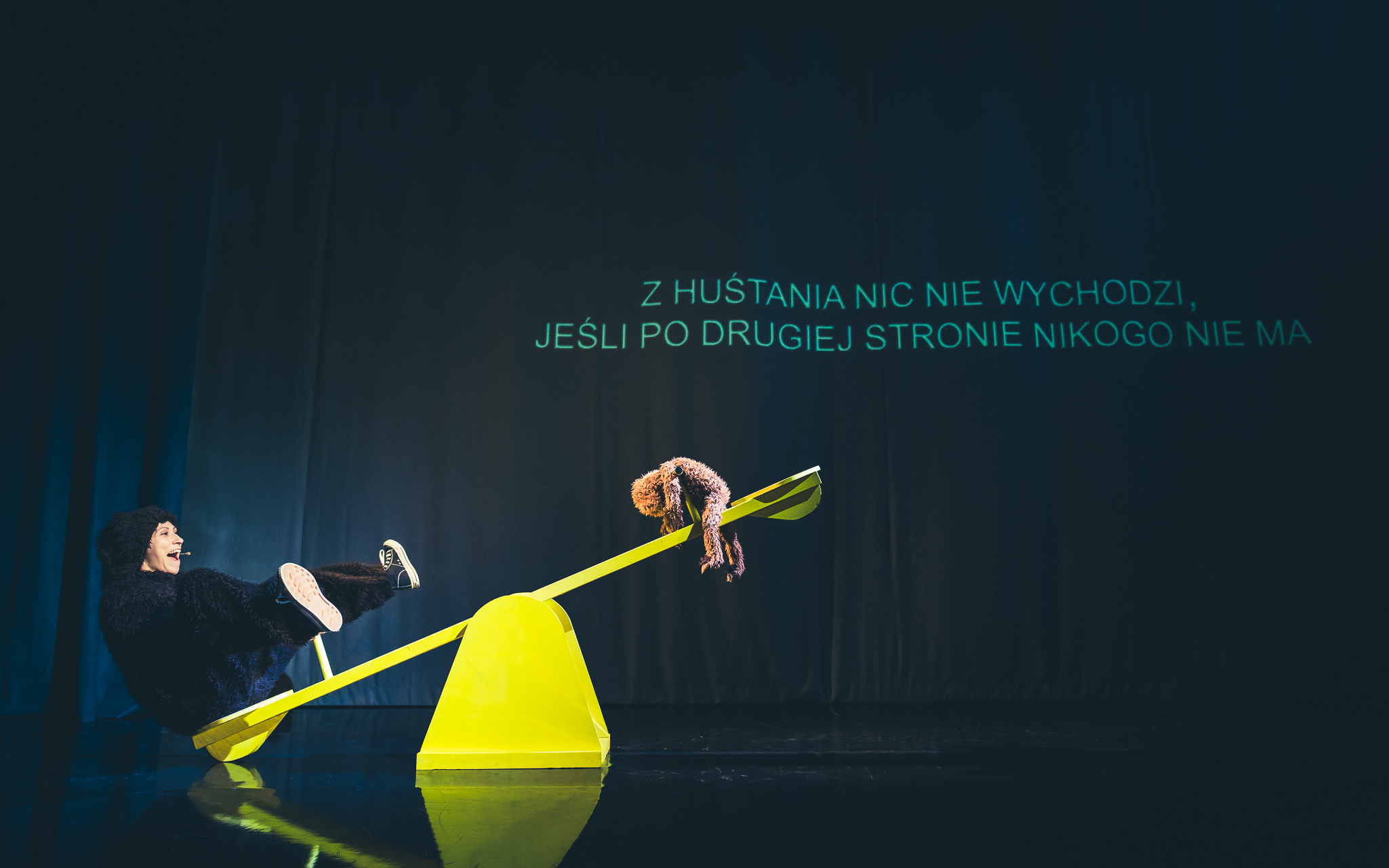
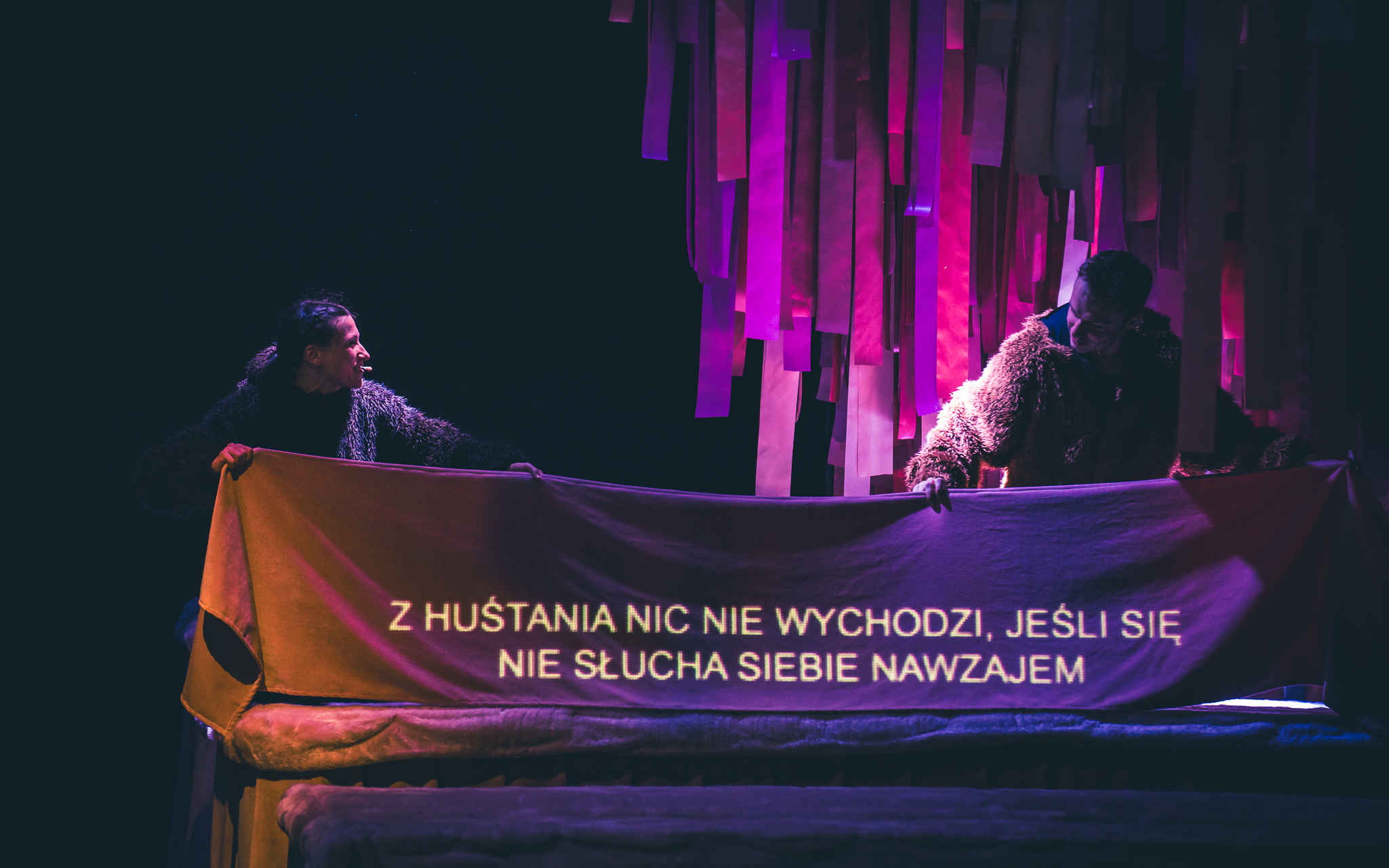
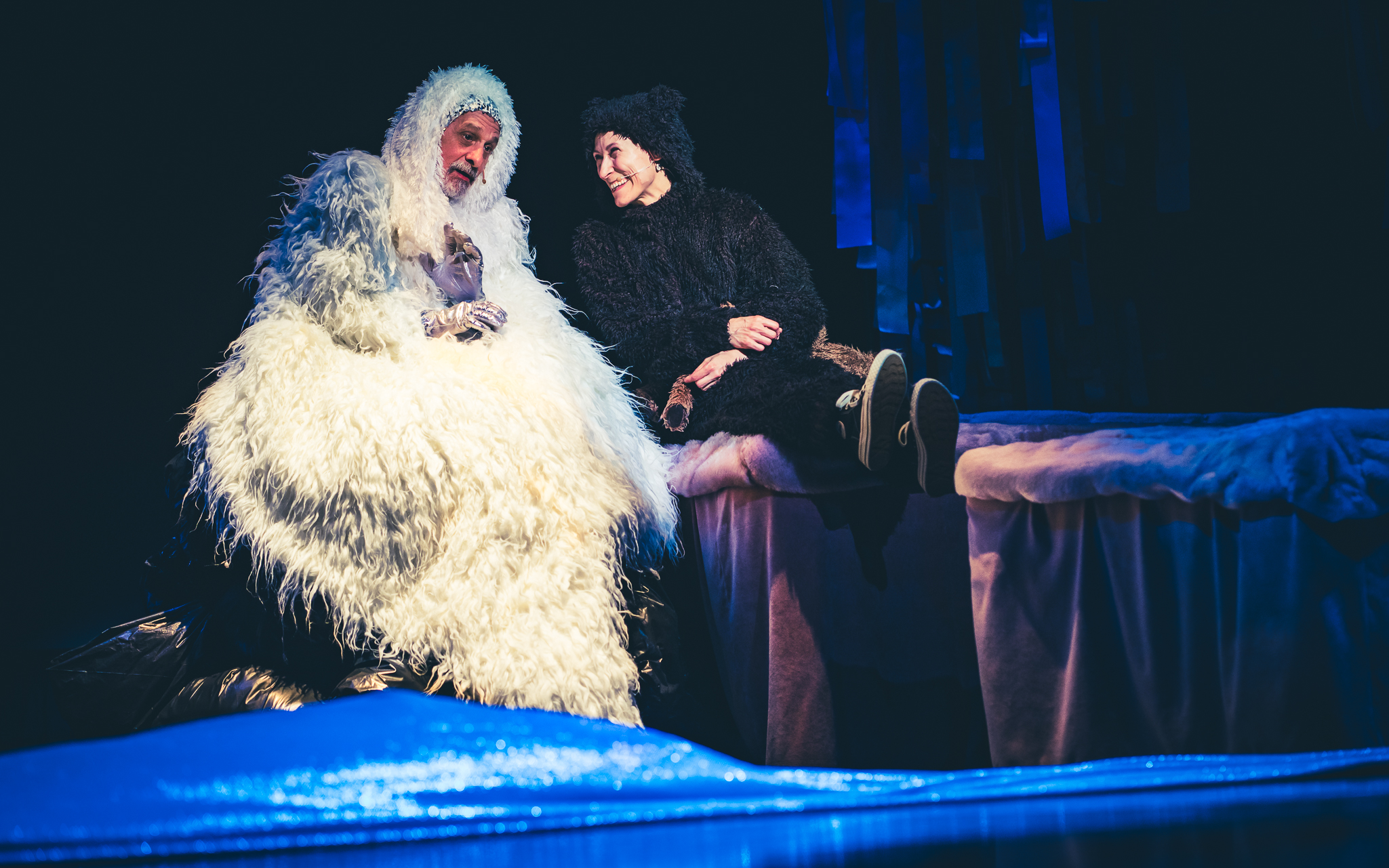
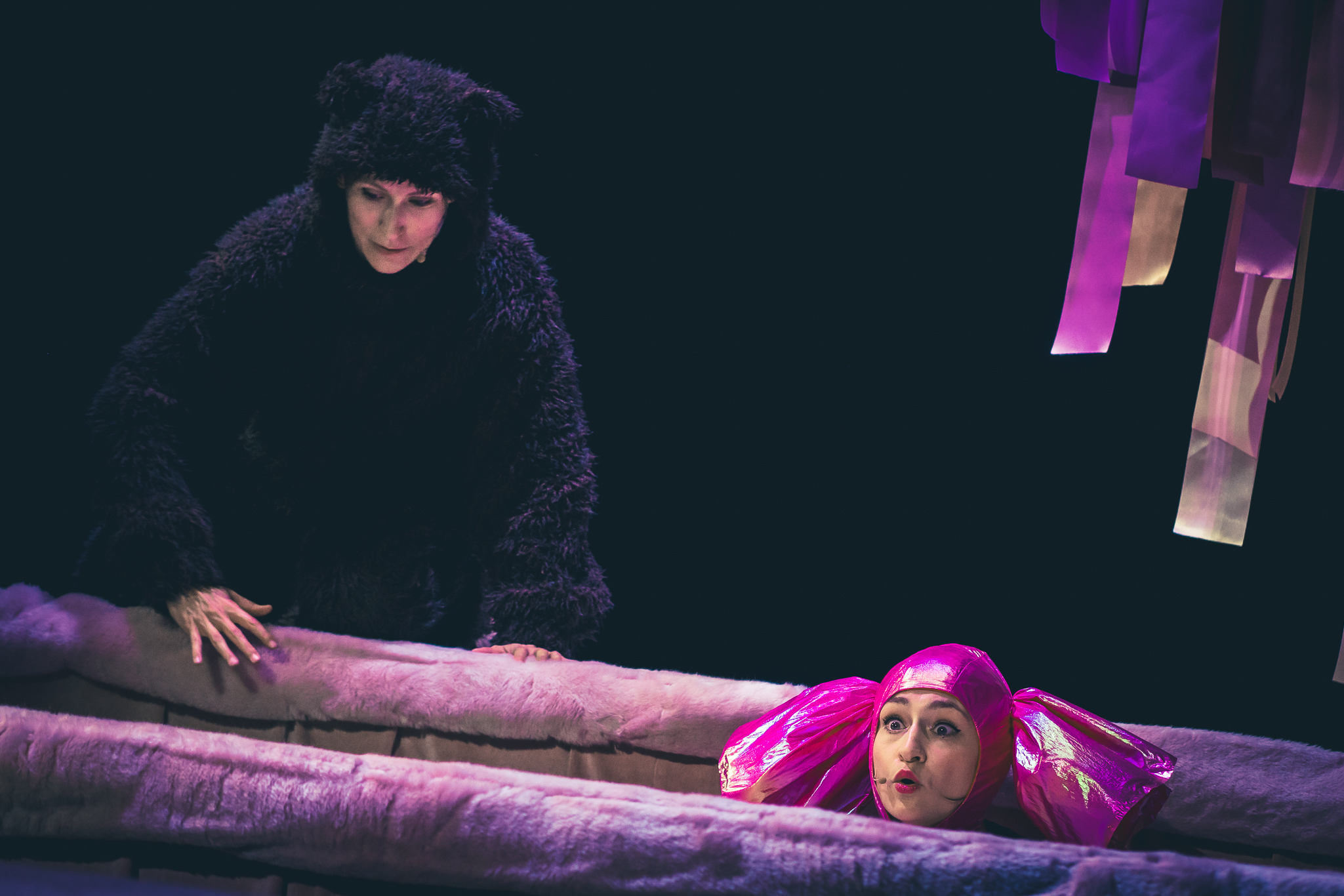
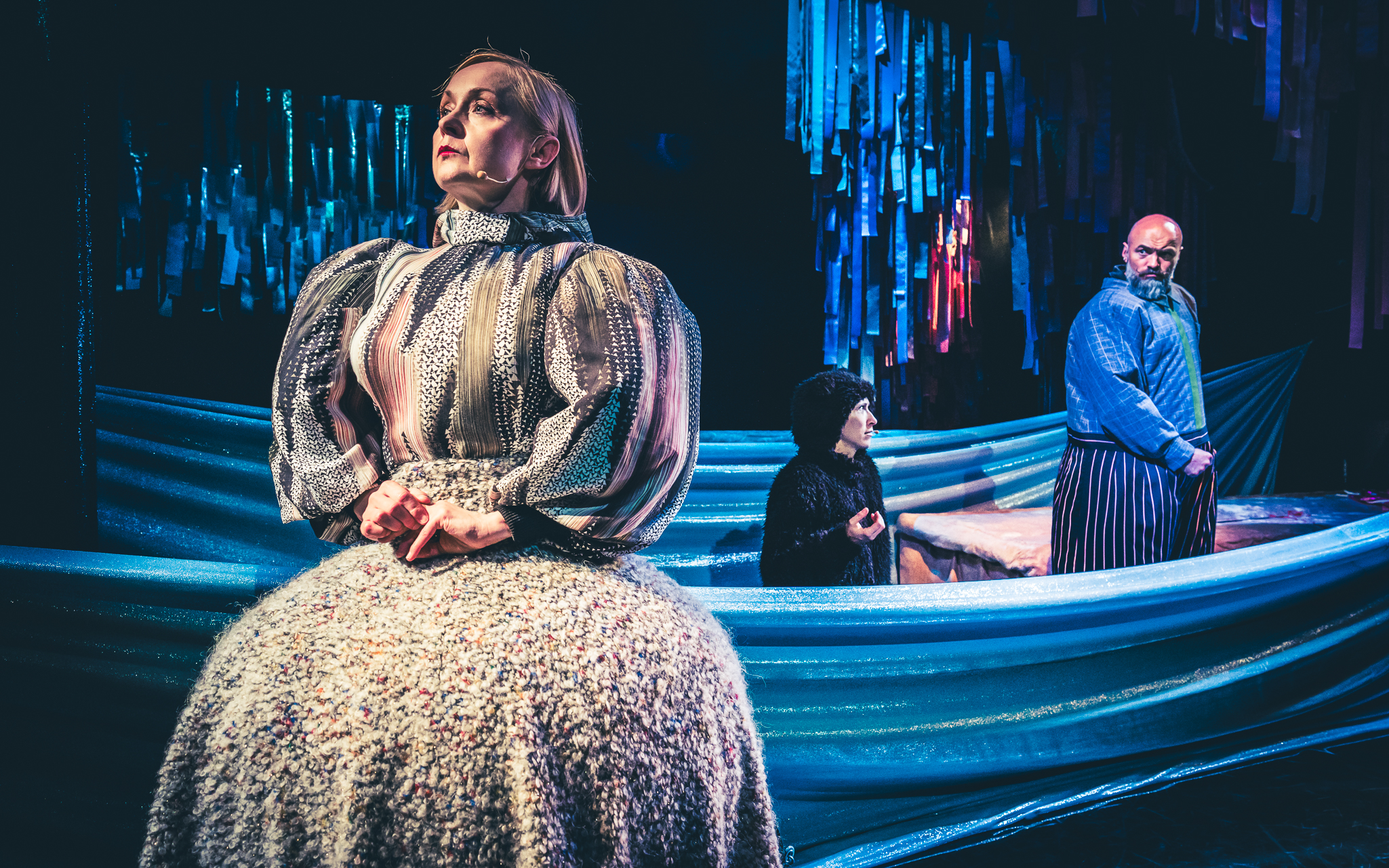
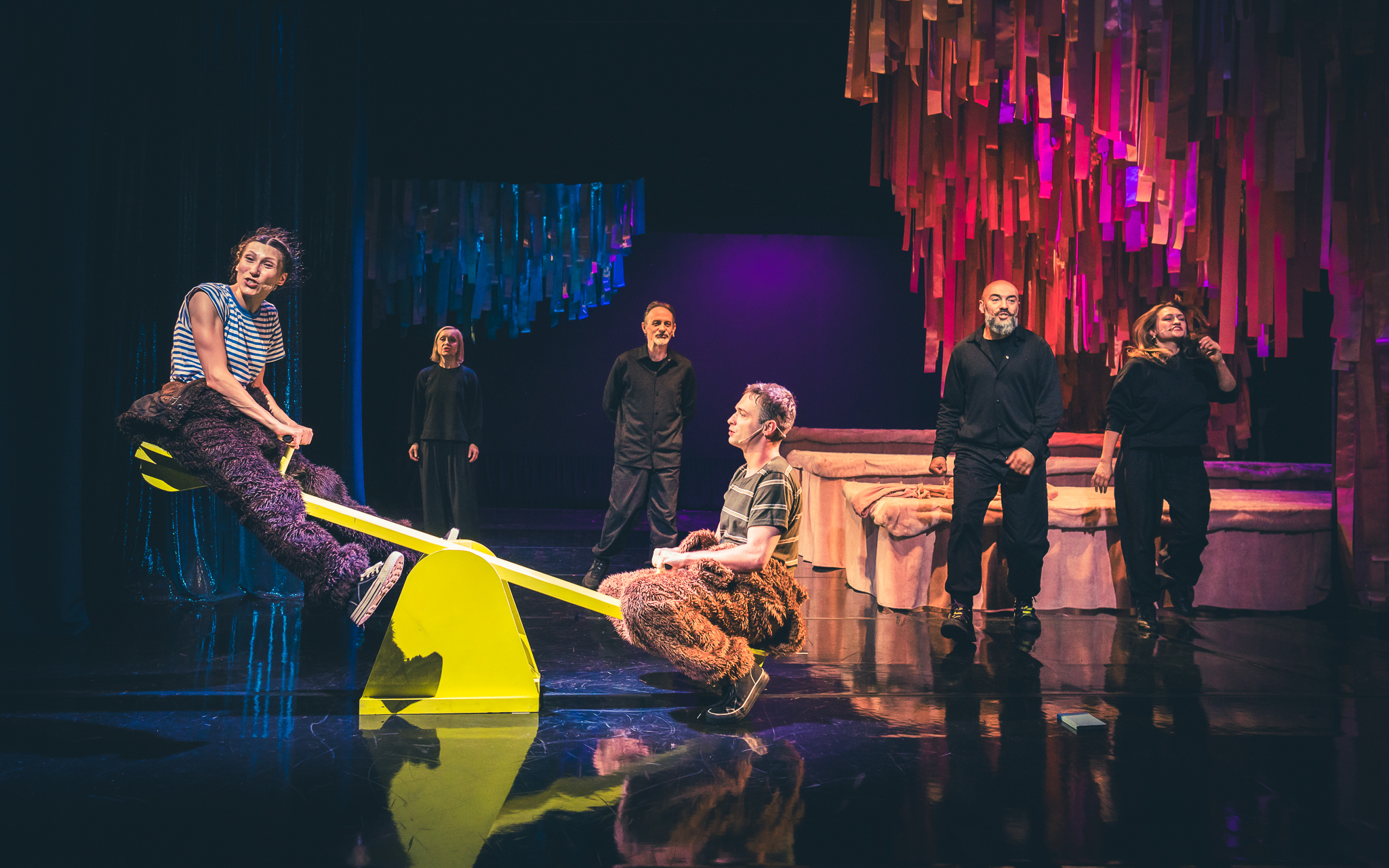
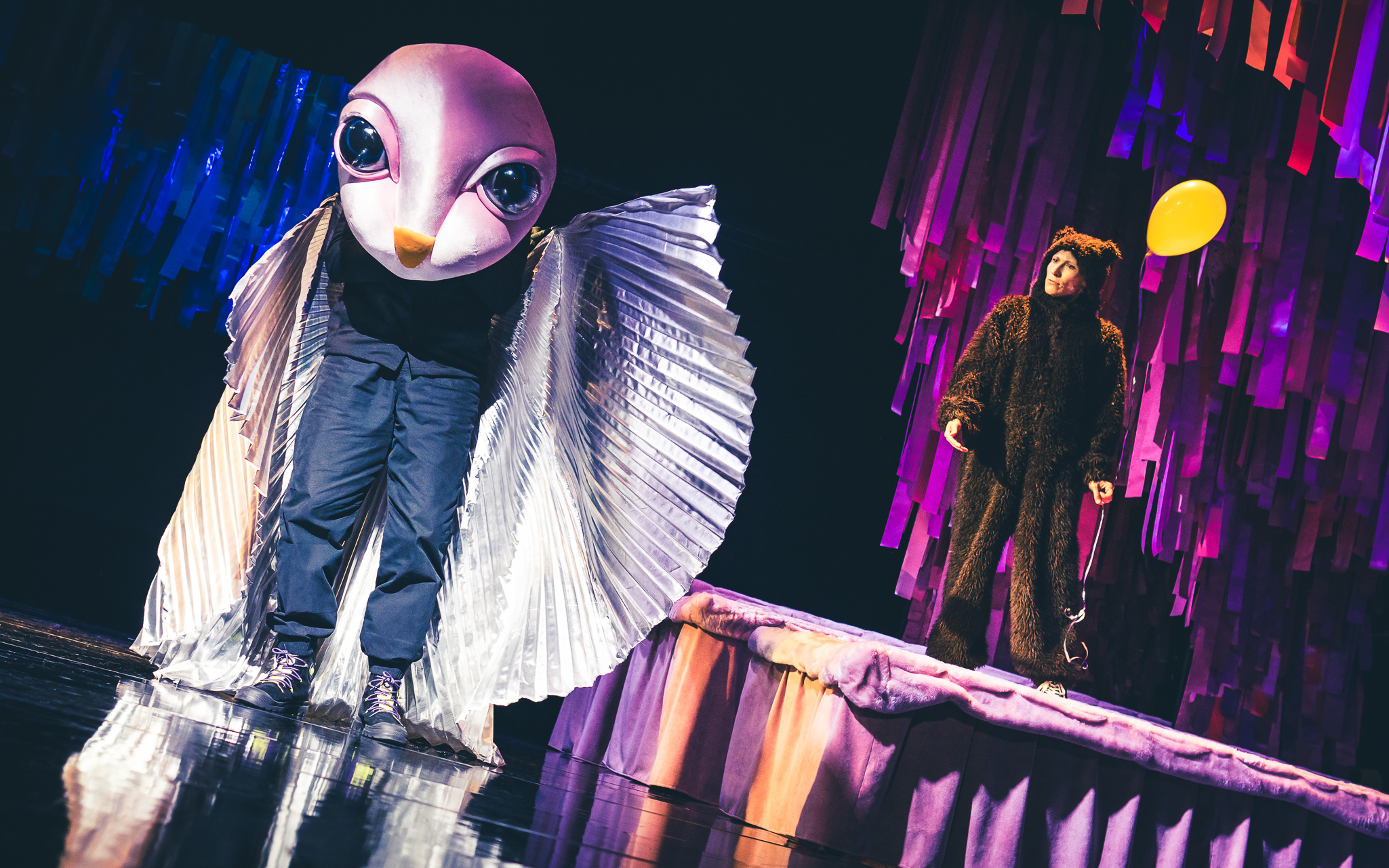
foto: HaWa